

cordyceps for fertility
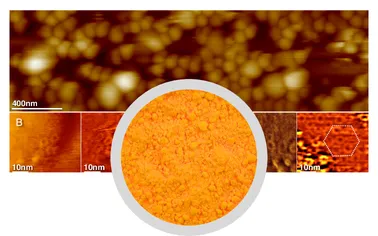
Beadlets Lutein Zeaxanthin Lycopene Microencapsulation — field notes from the carotenoid aisle If you’ve followed carotenoids the past few years, you’ve seen the shift: formulators want clean-label, vegetarian beadlets that disperse in cold water yet stand up to tableting pressure. To be honest, it was overdue. The uptick in ophthalmic and healthy-aging SKUs made it inevitable. This is where Beadlets Lutein Zeaxanthin Lycopene Microencapsulation gets interesting—free-flowing, gelatin-free spheres that behave nicely in the real world, not just in PowerPoint. What’s trending and why it matters Three trends collide here: cold-water dispersibility for better bioavailability, microencapsulation for oxidative stability, and vegetarian systems that ditch gelatin. In fact, many customers say they switched because “powders stopped clumping and tabs stopped chipping.” It sounds small. It isn’t. Technical snapshot Beadlets Lutein Zeaxanthin Lycopene Microencapsulation are spherical, free-flowing particles designed for capsules and tablets. The carrier system typically uses plant-based matrices with antioxidants, enabling good compressibility and sustained color integrity. Parameter Typical spec (≈) Method / Standard Lutein content 10–20% w/w HPLC, USP monograph/EP Zeaxanthin content 2–5% w/w HPLC, AOAC 2016.13 Lycopene content 5–10% w/w HPLC, USP/FCC Particle size 20–40 mesh, free-flowing USP Sieve Dispersibility T90 ≤ 30 s in 200 mL water (20°C) In-house, per AOAC guidance Heavy metals Pb ≤ 1 ppm; As ≤ 1 ppm; Cd ≤ 0.5 ppm; Hg ≤ 0.1 ppm ICP-MS, USP Shelf life 24 months, ≤25°C, ≤60% RH ICH Q1A(R2) Process flow (how it’s made) Materials: carotenoid oleoresins, plant-based carrier matrix, antioxidants, emulsifiers, purified water. Methods: pre-emulsification → high-shear homogenization → microencapsulation via spray-drying and fluid-bed layering → antioxidant fortification → classification → metal detection. Stability verified by accelerated testing (40°C/75% RH, 6 months; carotenoid retention typically ≥90%, real-world use may vary). Certifications: ISO 9001, FSSC 22000, Halal, Kosher (typical for this class; verify batch COA). Origin: Building 23B1, No.2 Yuanboyuan St., Zhengding Area of China (Hebei) Pilot Free Trade Zone. Application scenarios Direct compression tablets (high hardness, low friability) Hard-shell capsules and stick packs Cold-water beverage sachets and nutrition blends Vegetarian gummies and chewables (gelatin-free matrix helps) Vendor landscape (quick take) Vendor Certs Lead time Customization Stability/Dispersion Finutra (origin: Hebei, CN) ISO, FSSC, Halal, Kosher ≈ 2–4 weeks Ratios, mesh, carriers Robust; T90 ≈ 30 s Generic Trader A ISO (varies) ≈ 4–6 weeks Limited Inconsistent Contract Mfg B FSSC, GMP Project-based Extensive (MOQ ↑) Good, cost ↑ Customization options Adjust lutein:zeaxanthin:lycopene ratios, choose beadlet size (16–40 mesh), select carriers (e.g., modified starch/alginate), and request nitrogen-flushed, light-barrier packaging. Small digression: color targets can be tuned—handy for brand managers chasing a specific Pantone. Two quick case notes Tablet brand in the EU swapped in these beadlets; friability dropped from 1.0% to 0.3% and dissolution stayed clean. “No more orange dust on the line,” the ops lead joked. A beverage sachet maker reported zero clumping in pilot runs and kept the vegetarian claim intact. Standards and references: 1) USP elements by ICP-MS; 2) ICH Q1A(R2) stability; 3) AOAC carotenoid methods; 4) relevant USP/EP monographs for lutein/lycopene. USP General Chapter Elemental Impurities—Procedures. ICH Q1A(R2): Stability Testing of New Drug Substances and Products. AOAC Official Methods for Carotenoids (e.g., 2016.13). USP/FCC Monographs: Lutein, Lycopene; Ph. Eur. relevant monographs.
Finutra devotes to be an integrated supplier for global supply chain, we offer a
broad array of raw materials and functional ingredients
boron glycinate supplement
At Hebei Finutra Biotech Co., Ltd., we redefine the standard for premium botanical extracts with our cranberry extract powder featuring ≥25% proanthocyanidins— a key marker of efficacy that reflects our commitment to delivering high-potency, nature-derived ingredients. Our cranberry powder portfolio, crafted from carefully selected, ripe cranberries, is engineered to retain the fruit’s most valuab
what does elderberry extract do
Bearberry extract powder, derived from the leaves of the Arctostaphylos uva-ursi plant, has established itself as a celebrated ingredient in the skincare industry. With roots in traditional medicine, this extract has been praised for its potential to address a myriad of skin concerns, primarily due to its rich natural compounds. The primary allure of bearberry extract in skincare is its natural sk

grass extract
Introduction to Advanced Botanical Extracts In the rapidly evolving nutraceutical and dietary supplement industries, the demand for high-purity, scientifically-backed botanical extracts is continuously rising. Among these, Tribulus Terrestris Extract Total Saponins Chinese Raw Material stands out as a key ingredient, highly valued for its potential physiological benefits. This detailed article aim
application of microcapsules
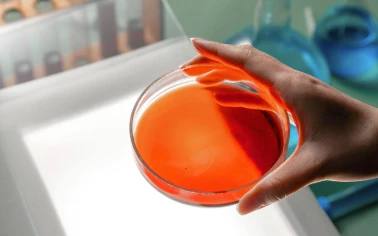
Microencapsulation is a technology that encapsulates solid, liquid, or gaseous active ingredients in small capsules, whose walls are typically composed of natural or synthetic polymer materials. This technology is widely used in fields such as food, medicine, cosmetics, and agriculture, which can significantly improve the stability, functionality, and user experience of products, thereby achieving
amino 23
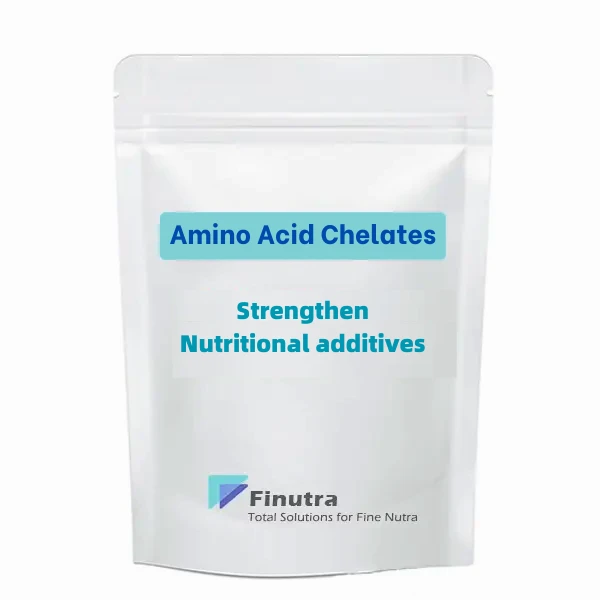
Amino acids are a stable bioavailable complex formed by the coordination bond between essential minerals and amino acids. They break through the absorption limitations of traditional mineral supplements and provide a new way for living organisms to efficiently obtain mineral nutrients. The core characteristic of Amino Acids lies in their unique molecular structure Essential minerals such as calciu
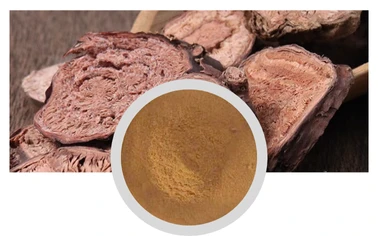
allulose what is it
Inulin powder, derived from Cichorium intybus L. , is a naturally occurring soluble fiber known for its prebiotic properties and mild sweetness. This versatile supplement is gaining popularity as a healthy alternative to traditional sweeteners and as a functional ingredient in food and pharmaceutical applications. Manufactured by Hebei Finutra Biotech Co., Ltd. , the product meets rigorous quality
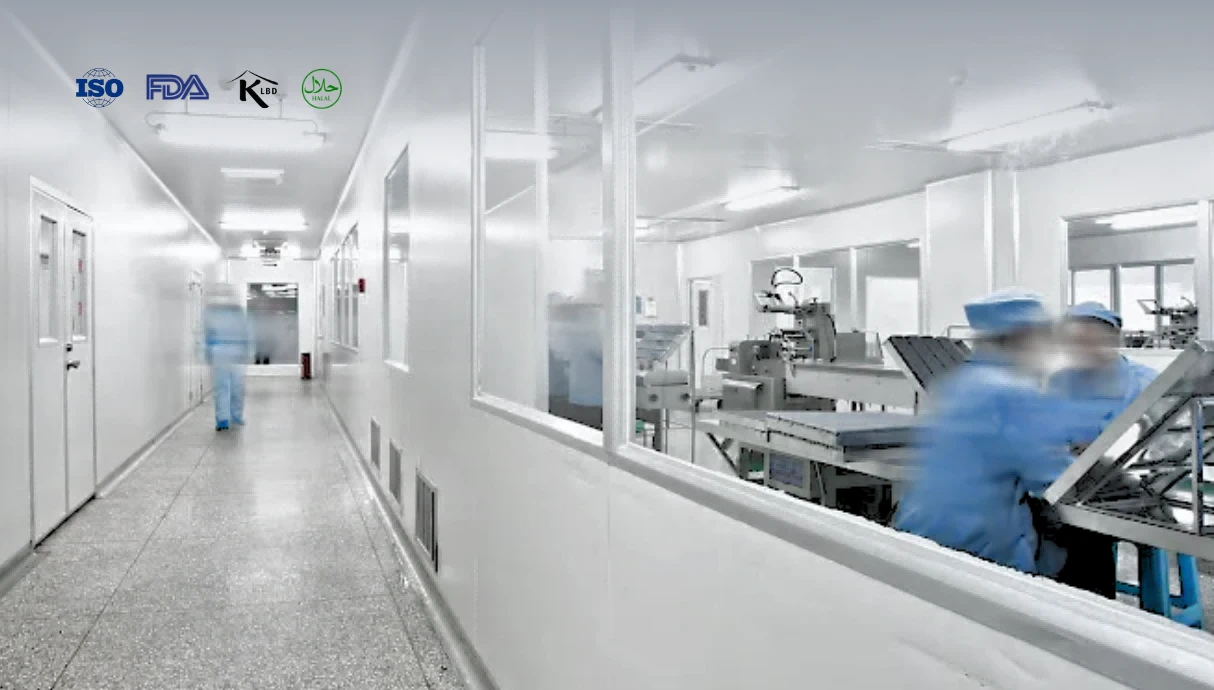
Authoritative Certification
Continuous Innovation, Customer First
Enhance core competitiveness to bring customers better products and services,
Each of these is the result of our team's relentless pursuit of excellence
and our deep commitment to social responsibility.

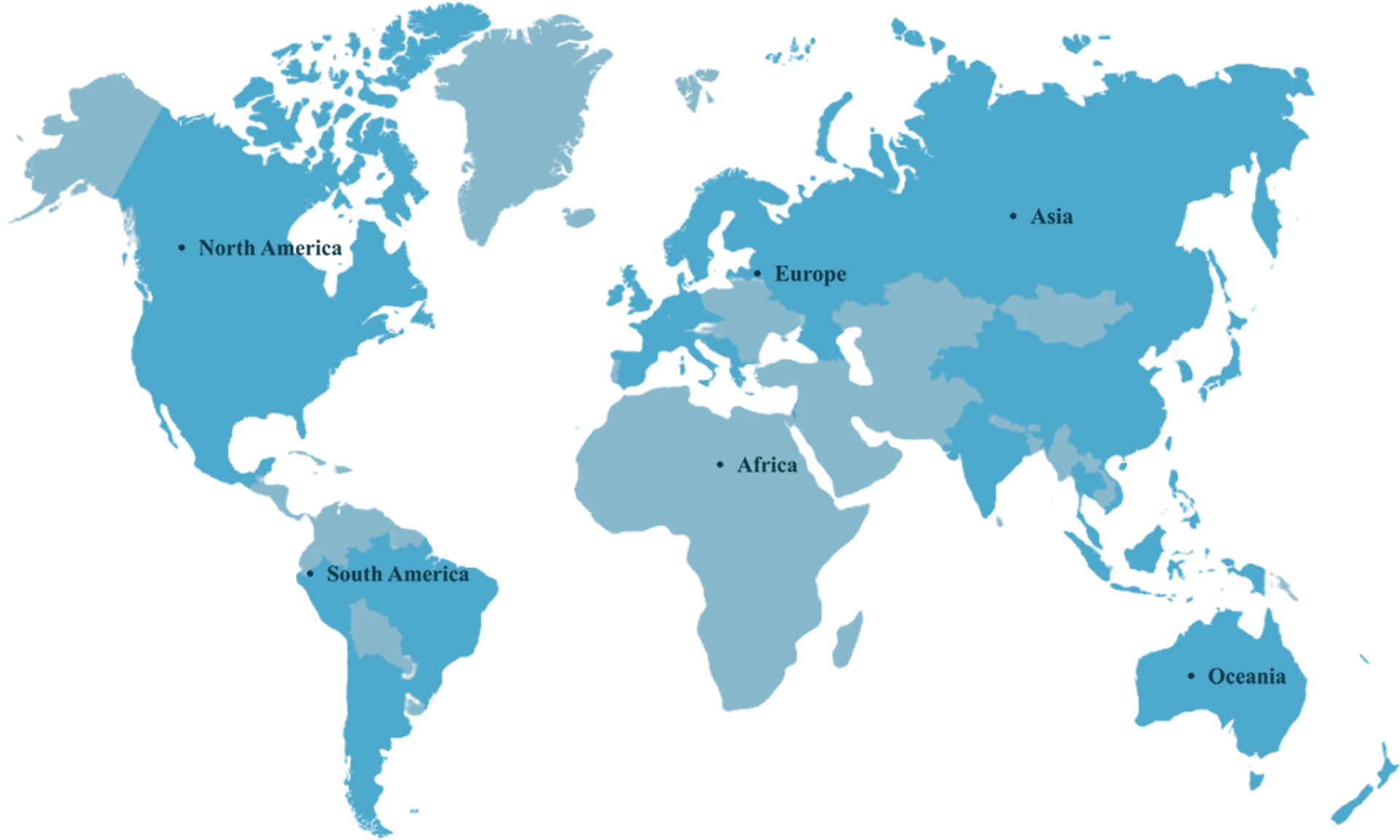
Global
Reach
FINUTRA has over 350,000 square feet of manufacturing and warehouse
space worldwide.
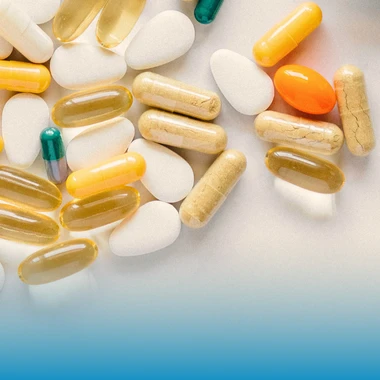
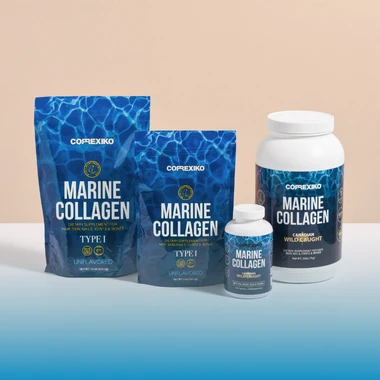
Industries We Serve
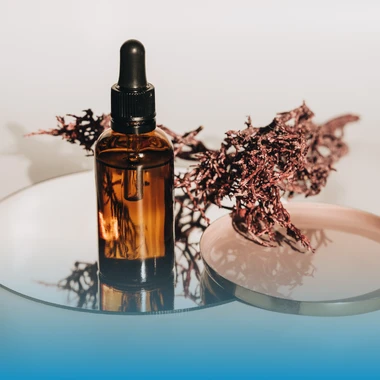

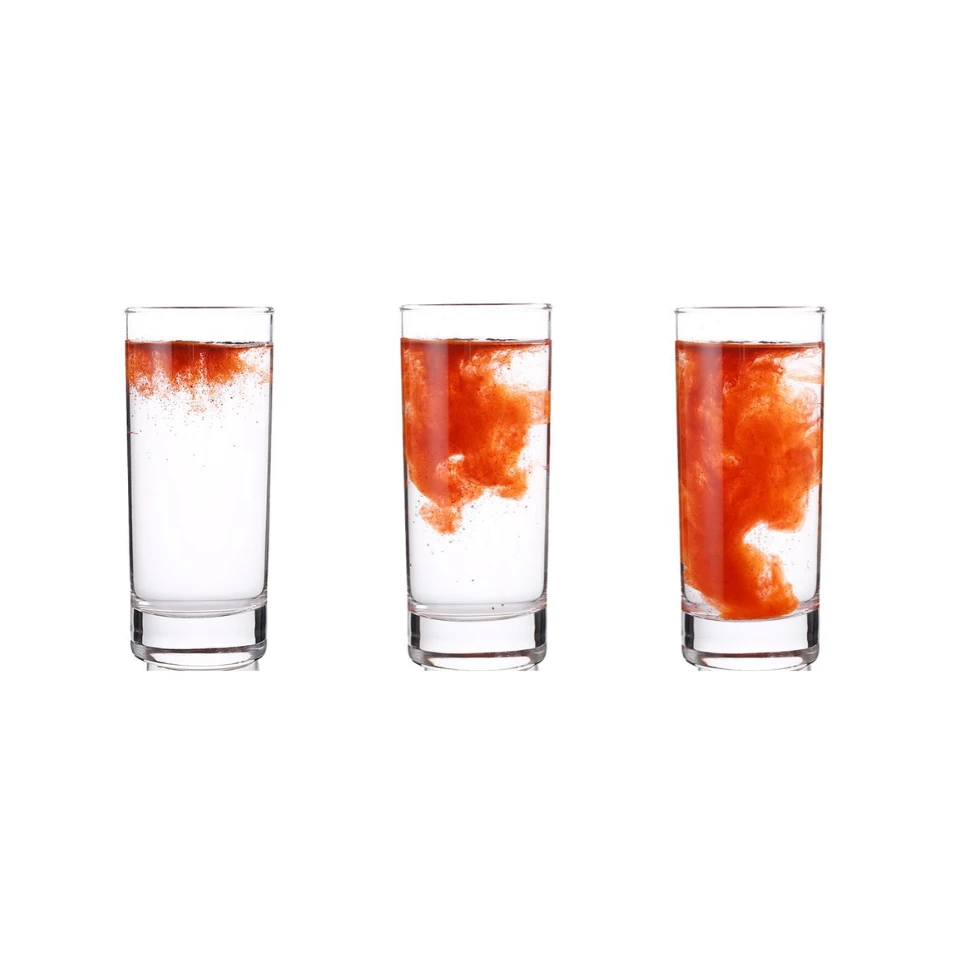
Advanced molecular distillation and microencapsulation
technology. Extremely bioavailable
trace carotenoids Intuitively soluble.

STAY UPDATED
Receive special offers and first look at new
products.
products.


Building 23B1, No.2 Yuanboyuan St., Zhengding Area of China (Hebei) Pilot Free Trade Zone
QUICK LINK
Finutra devotes to be an integrated supplier for global supply chain, we offer a broad array of raw
materials and functional ingredients as a manufacturer, distributor and supplier for global Beverage,
Nutraceutical, Food, Feed and Cosmeceutical.
Copyright © 2025 Hebei Finutra
Biotech Co.,
Ltd. All
Rights Reserved.
Privacy Policy


